


About the Strategy
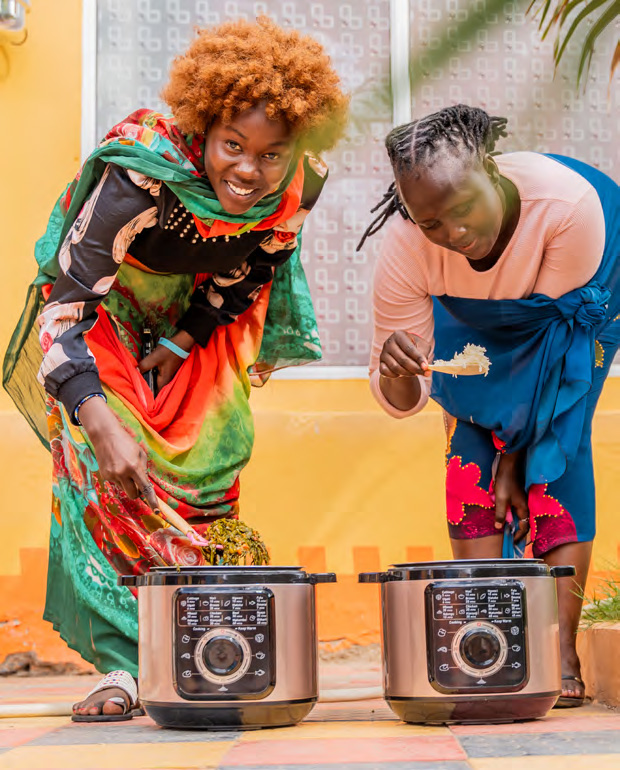
Transforming the cooking and electrification landscape in Kenya through increasing adoption and sustained use of energy-efficient eCooking solutions.
To build a sustainable eCooking marketplace over the next 5 years, enhancing access, affordability, and innovation to achieve widespread electrification of cooking by 2050, while improving health, creating jobs, promoting gender equity, and reducing CO2 emissions.
The following three broad objectives will help achieve the mission and vision outlined above, as well as the strategic roadmap:
eCooking Appliances Ownership.
In Kenya, a variety of eCooking appliances are gaining traction due to the country’s drive for cleaner and more efficient energy. These appliances include Electric Pressure Cookers (EPCs), Induction Cookers, Rice Cookers, Air Fryers, Mixed LPG-Electric Standalone Cookers, Microwave Ovens, Electric Solid Plate or Coil Hobs, and
Electric Kettles and Immersion Coil Water Heaters. Each appliance offers distinct advantages and challenges for Kenyan cooking styles and energy efficiency.
Ownership patterns from the KNeCS baseline survey data reveal that 25% of Kenyan households own at least one eCooking appliance. Of these, about 4% can be considered complete cooking solutions, i.e. an appliance that can cook the majority of popular household dishes.
Rural households surprisingly reported higher ownership of eCooking appliances. Gender and wealth also play a significant role in eCooking, with male-headed households being more likely to own eCooking appliances, and ownership skewed towards higher wealth quintiles, with some exceptions like the high prevalence of inefficient electric coil stoves among lower-income households.
See More of Our Projects
Explore More Our Projects and Partnerships.
